Getting Fitter, Going Hungry: The Uncomfortable Gap America Refuses to Talk About
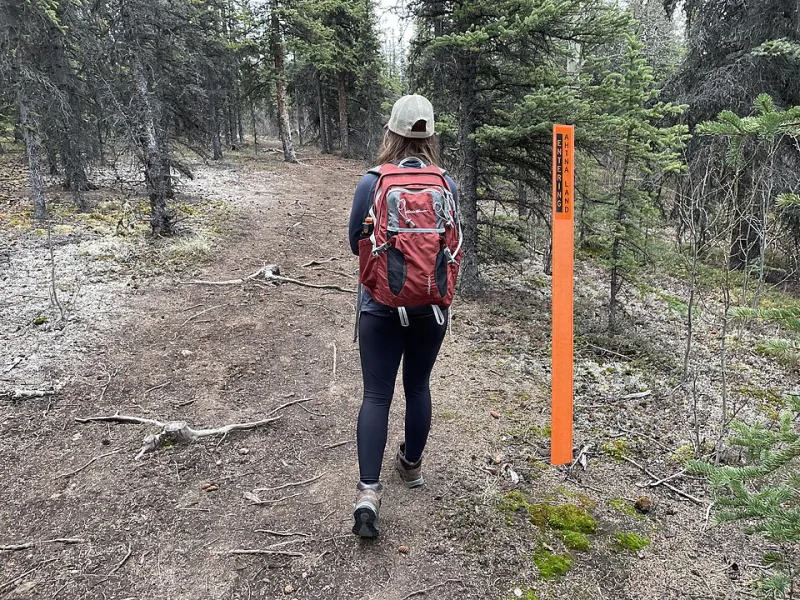
Photo: BLM Alaska, Public domain, via Wikimedia Commons
We're Moving More. People Are Still Going Without.
Something doesn't add up.
Over the past decade, Americans have downloaded more fitness apps, signed up for more 5Ks, and spent more on gym memberships than any previous generation. Athleisure is a multi-billion-dollar industry. "Wellness" has become a lifestyle category all its own. Step counts are tracked. Macros are logged. Sleep cycles are optimized.
And yet, roughly 44 million Americans — including more than 13 million children — live in food-insecure households. That number hasn't quietly faded into the background while we've been busy hitting our daily step goals. In many parts of the country, it's actually gotten worse.
So what exactly is going on here? How does a nation obsessed with physical optimization leave tens of millions of its own people wondering where their next meal is coming from?
The answer is uncomfortable. And it starts with understanding what the wellness industry was built to do — and what it was never designed to address.
The Wellness Bubble and Who Lives Inside It
Let's be honest about something: the modern fitness movement, for all its genuine benefits, has largely been built around people who already have enough. Enough money for gym memberships. Enough time for morning runs. Enough access to grocery stores that stock fresh produce, lean proteins, and the kind of foods that fuel a long training walk.
When a new wellness trend emerges — whether it's intermittent fasting, cold plunges, or high-protein meal prepping — it almost always assumes a baseline of food security that millions of Americans simply don't have. You can't optimize your nutrition if you're not sure you'll have dinner tonight. You can't "eat clean" when the nearest full-service grocery store is six miles away and you don't have a car.
This isn't a criticism of people who prioritize their health. Personal wellness matters. But there's a growing blind spot in the culture around it — one that treats physical fitness as a universal goal while ignoring the very real structural barriers that make basic nourishment inaccessible to a huge chunk of the population.
The wellness industry has done a remarkable job selling the idea that health is a personal responsibility. What it's been far less vocal about is that hunger is a systemic failure.
Two Realities, One Country
Drive through almost any mid-sized American city and you'll see both realities playing out within blocks of each other. A boutique cycling studio next to a shuttered grocery store. A farmers market in a gentrified neighborhood while a food bank three miles away runs out of supplies by Wednesday. A corporate wellness challenge encouraging employees to walk 10,000 steps a day, while workers in the same company's supply chain skip lunch to make ends meet.
This isn't coincidence. It's geography. It's economics. It's the way food systems, urban planning, and income inequality intersect in ways that the fitness industry has largely chosen not to engage with.
Food deserts — areas where affordable, nutritious food is genuinely hard to come by — exist in 48 of the 50 states. They're not a rural-only problem, either. Urban food deserts are a persistent reality in cities that rank among America's "healthiest" by conventional metrics. You can live in a city with a booming wellness scene and still be food insecure. The two things are not mutually exclusive.
And that's exactly the paradox. More movement, more awareness, more health-focused culture — and hunger stays stubbornly, frustratingly still.
What's Missing from the Conversation
The wellness world and the food justice movement have been operating in largely separate lanes for a long time. Fitness influencers talk about body composition. Anti-hunger advocates talk about SNAP benefits and food bank capacity. Both conversations are valid. But they rarely happen in the same room.
What gets lost in that silence is the obvious connection: food is the foundation of health. Not a supplement to it. Not a variable to be optimized. The foundation.
You cannot have a genuine national conversation about wellness while sidestepping the fact that millions of Americans lack consistent access to the most basic building block of physical health — food itself. A country that spends billions on fitness culture while underfunding food assistance programs isn't actually prioritizing health. It's prioritizing the aesthetics of health for people who can already afford it.
The food justice movement has been saying this for years. What's changed recently is that more people in mainstream wellness spaces are starting to listen. Some fitness brands have begun partnering with hunger relief organizations. Corporate wellness programs are increasingly incorporating food security initiatives alongside their step challenges. The bridge is being built — slowly, but it's happening.
Why Walking Is One of the Best Bridges We Have
Here's where things get genuinely hopeful.
Walking — the most democratic form of exercise there is — turns out to be one of the most effective tools for closing the gap between personal wellness and collective food security. Not because walking is a magic solution, but because it creates the conditions for connection.
Fundraising walks bring together people from different neighborhoods, different income levels, different relationships to food. They get people moving through communities they might not otherwise engage with. They raise real money for real food programs. And they start conversations — between participants, between sponsors, between organizations — that don't happen anywhere else.
When a company sponsors a Walk to End Hunger event, they're not just writing a check. They're signaling to their employees, their customers, and their industry peers that food security is a business issue, a community issue, a human issue. That signal matters. It shifts culture in small but meaningful ways.
And when an individual laces up their sneakers and walks in solidarity with millions of food-insecure Americans, something changes in them too. The step count on their fitness tracker means something different. The walk isn't just about burning calories or hitting a goal. It's about being part of a solution that their morning jog was never designed to address.
Your Wellness Journey Doesn't Have to Stop at Your Own Front Door
None of this means you should feel guilty for caring about your health. Quite the opposite. Caring about your own body is a starting point — and starting points are valuable.
But the next step (literally and figuratively) is expanding that care outward. Recognizing that the same energy you bring to your personal fitness goals can be directed toward systemic change. That your corporate wellness program could be funding food banks. That your weekend walk could be generating awareness and dollars for hunger relief in your own zip code.
The fitness boom and the hunger crisis don't have to exist in parallel forever. The gap between them isn't inevitable — it's a choice. A choice that communities, companies, and individuals make every day about what they're willing to see, and what they're willing to do about it.
America is already moving. The question is whether we're willing to move toward something bigger than ourselves.
Every step counts. Make yours matter.